Source Repreve Recycled Polyester Mesh Fabric for Jackets, Bags, and Sportswear
Compare 30 listings of repreve recycled polyester mesh fabric from verified suppliers. Buyers can evaluate options for jackets, bags, and sportswear based on features like anti-static properties, custom colors, and woven or knitted techniques; compare the available evidence and request quotations based on your requirements.
Key considerations
Products List




Comprehensive Sourcing Guide
Reprive Recycled Polyester Mesh Fabric Sourcing Guide
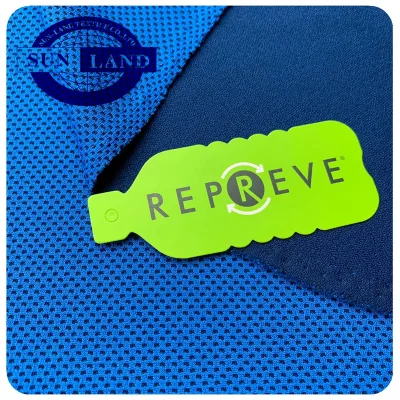
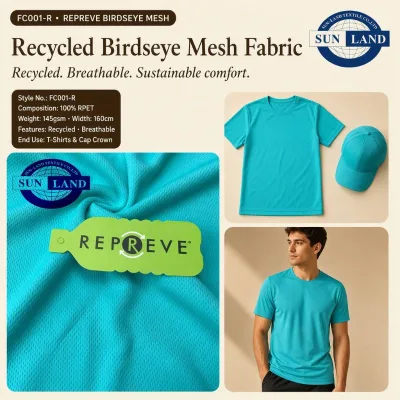
Sourcing Reprive-certified recycled polyester mesh fabric requires a disciplined approach to verifying material composition and supply chain transparency. Buyers must distinguish between generic recycled polyester and fabrics that carry the specific Reprive certification, which validates the use of post-consumer recycled content. This distinction is critical for brands aiming to meet sustainability reporting standards and circular economy goals. The market offers various woven and knitted options, but only those with verified traceability ensure the integrity of the recycled claim. Procurement teams should prioritize suppliers who provide clear documentation of the feedstock source, ensuring that the "recycled" label is not merely a marketing term but a verified attribute of the final textile product.
Beyond certification, the physical properties of the mesh fabric must align with the intended end-use application. Observed listings indicate a wide range of specifications, including weights from lightweight 150 GSM to heavier constructions, and widths varying from 56 inches to 60 inches. Buyers need to assess whether the fabric’s breathability, strength, and drape suit their specific garment or accessory design. For instance, sportswear may require moisture-wicking and high-strength properties, while fashion accessories might prioritize aesthetic patterns like plaids or plain dyed finishes. Understanding these technical nuances helps in selecting the right fabric grade, preventing costly mismatches between material performance and product requirements during the manufacturing phase.
Product Scope and Observed Listing Signals
The current market landscape for recycled polyester mesh fabric reveals a diverse array of product attributes that buyers must navigate carefully. Listings frequently highlight features such as anti-static, waterproof, and heat-insulation properties, alongside functional finishes like wicking, UV protection, and cooling effects. These attributes suggest that the fabric is suitable for a broad spectrum of applications, including down jackets, sportswear, bags, and linings. However, the presence of these claims does not guarantee that every listed product possesses all these characteristics simultaneously. Buyers should treat these attributes as potential options rather than standard inclusions, verifying each feature individually to ensure it meets their specific technical requirements and performance expectations.
Supply chain flexibility is another significant signal observed in the market, with many suppliers offering make-to-order services and accepting custom designs. This customization extends to color, pattern, and packaging, allowing brands to tailor the fabric to their unique identity. Some suppliers provide free samples, which is a crucial step in evaluating the quality and feel of the material before committing to large orders. Additionally, the availability of customized colors and various weaving techniques, such as woven and knitted structures, provides ample opportunity for innovation. Buyers should leverage these customization options to differentiate their products, but they must also consider the implications of custom orders on lead times and minimum order quantities, which can vary significantly across suppliers.
Technical Specifications to Verify
Verifying the technical specifications of recycled polyester mesh fabric is essential to ensure compatibility with manufacturing processes and end-use performance. Key parameters to confirm include the fiber type, which is often listed as 100% RPET or filament polyester, and the yarn count, such as 75D, which influences the fabric's weight and texture. Buyers should also check the fabric width, which typically ranges from 56 to 60 inches, as this affects pattern layout and material efficiency. Additionally, the construction method, whether woven or knitted, determines the fabric's stretch, durability, and drape. For example, weft knitted fabrics may offer more elasticity, while woven fabrics provide greater stability. These specifications must be aligned with the design intent to avoid production issues and ensure the final product meets quality standards.
Other critical technical details include the fabric's weight, often measured in GSM, and its physical features such as high strength or shrink resistance. Listings may indicate weights around 150 GSM, suggesting a lightweight construction suitable for various apparel applications. Buyers should also inquire about the fabric's finish, including any treatments for anti-static, waterproof, or moisture-wicking properties. These finishes can significantly impact the fabric's performance and care requirements. Furthermore, the model number or product code provided by the supplier can serve as a reference for consistency in future orders. By meticulously verifying these technical specifications, buyers can mitigate risks associated with material variability and ensure that the fabric performs as expected in the final product.
Compliance and Safety Documentation
Compliance with international standards is a non-negotiable aspect of sourcing recycled polyester mesh fabric, particularly for brands targeting global markets. Buyers must request documentation that verifies the fabric's compliance with safety and environmental regulations, such as OEKO-TEX or ISO standards, although specific certification status should be confirmed directly with the supplier. These certifications ensure that the fabric is free from harmful substances and meets rigorous environmental criteria. Additionally, the Reprive certification itself serves as a key compliance marker, validating the recycled content and supporting the brand's sustainability claims. Buyers should ensure that the supplier can provide up-to-date certificates and test reports, as these documents are often required for customs clearance and retail compliance in various jurisdictions.
Beyond environmental compliance, buyers should also consider the social and ethical standards of the supply chain. While not always explicitly stated in product listings, many reputable suppliers adhere to labor and ethical practices that align with global best practices. Buyers may need to conduct audits or request third-party verification to ensure that the manufacturing process respects workers' rights and maintains safe working conditions. Furthermore, understanding the origin of the fabric, such as production in China or specific regions like Jiangsu, can provide insights into the regulatory environment and quality control practices. By prioritizing compliance and ethical sourcing, buyers can protect their brand reputation and contribute to a more sustainable and responsible textile industry.
Cost Drivers and Commercial Terms
Understanding the cost drivers and commercial terms associated with recycled polyester mesh fabric is crucial for effective budgeting and negotiation. The price of the fabric is influenced by several factors, including the type of recycled content, the complexity of the weave or knit, and any special finishes applied. Listings indicate a wide price range, reflecting the diversity of products available. Buyers should also consider the minimum order quantity (MOQ), which can vary from small batches to large volumes, impacting the unit cost. Customization options, such as specific colors or patterns, may incur additional charges or require higher MOQs. By understanding these variables, buyers can better anticipate costs and negotiate favorable terms with suppliers.
Commercial terms also include payment conditions, lead times, and shipping arrangements, which can significantly affect the overall procurement cost. Buyers should clarify these details early in the sourcing process to avoid unexpected expenses or delays. Some suppliers may offer flexible payment terms or discounts for larger orders, which can be leveraged to improve cash flow and reduce costs. Additionally, the packaging method, whether roll-packing or other formats, can influence shipping efficiency and costs. Buyers should also consider the total cost of ownership, including potential returns or defects, when evaluating supplier proposals. By carefully managing commercial terms, buyers can optimize their procurement strategy and achieve better value for their investment.
Supplier Qualification and Quality Control
Supplier qualification is a critical step in ensuring the reliability and consistency of recycled polyester mesh fabric supplies. Buyers should assess the supplier's production capabilities, including their factory size and equipment, to determine their ability to meet volume and quality requirements. Listings may mention factory availability and professional service, which are positive indicators, but buyers should verify these claims through site visits or third-party audits. Additionally, the supplier's experience with recycled materials and their ability to provide consistent quality across batches are essential factors. Buyers should also evaluate the supplier's responsiveness and communication skills, as these attributes are vital for a smooth procurement process and effective problem-solving.
Quality control measures implemented by the supplier play a significant role in maintaining product integrity. Buyers should inquire about the supplier's quality assurance protocols, including testing procedures for fabric strength, colorfastness, and dimensional stability. Some suppliers may offer sample testing or pre-production approvals to ensure that the fabric meets specified standards before bulk production begins. Furthermore, understanding the supplier's defect rate and their process for handling non-conforming products is important for risk management. By establishing clear quality expectations and monitoring compliance, buyers can minimize the risk of receiving substandard materials and ensure that the final product meets their brand's quality standards.
Long-Term Procurement Checks
Long-term procurement success with recycled polyester mesh fabric requires ongoing monitoring and relationship management. Buyers should establish regular check-ins with suppliers to review performance metrics, such as delivery times, quality consistency, and responsiveness to issues. These interactions help identify potential problems early and foster a collaborative partnership that can adapt to changing market conditions. Additionally, buyers should stay informed about industry trends and technological advancements in recycled materials, as these developments may offer new opportunities for innovation and cost savings. By maintaining a proactive approach to supplier management, buyers can ensure a stable and reliable supply chain that supports their business goals.
Sustainability is another key area for long-term focus, as consumer demand for eco-friendly products continues to grow. Buyers should regularly review their suppliers' sustainability practices and encourage continuous improvement in areas such as energy efficiency, waste reduction, and water usage. Engaging with suppliers on these issues can enhance the brand's sustainability profile and strengthen the supply chain's resilience. Furthermore, buyers should consider diversifying their supplier base to mitigate risks associated with single-source dependencies. By implementing robust long-term procurement strategies, buyers can secure a competitive advantage and contribute to a more sustainable textile industry.
FAQs
What fiber types are used in this recycled polyester fabric?
The fabric is made from 100% RPET filament fibers. This composition ensures durability and sustainability for various applications. The material is suitable for garments, bags, and linings. It offers high strength and physical resilience. Buyers can rely on this consistent fiber type for their production needs.
Can I get custom designs for this recycled polyester mesh fabric?
Yes, custom designs are accepted for this product. The supplier offers customized colors and patterns, including plaid options. You can request specific weaving techniques to meet your requirements. This flexibility allows for tailored solutions for jackets, sportswear, and accessories. Contact the factory to discuss your unique design specifications.
What are the standard specifications for width and weight?
The fabric width is available in 56/57 inches or 57/58 inches. The weight typically ranges from 150 to 160 GSM. These specifications support lightweight applications like sportswear and linings. The standard product model is 20DH052502. These dimensions ensure compatibility with standard garment manufacturing processes.
What features does this fabric offer for performance?
This fabric provides anti-static, waterproof, and shrink-resistant properties. It also offers heat insulation and high strength. Some variants include wicking finishes or UV protection. These features make it ideal for outdoor jackets and sportswear. The functional attributes enhance comfort and durability for end users.
What is the minimum order quantity for this fabric?
The MOQ is 200kg per color and 400kg per order. This requirement applies to bulk production runs. Samples are available for free to check quality. The supply type is make-to-order, ensuring customization. Buyers should plan their orders to meet these quantity thresholds.
Where is this recycled polyester fabric manufactured?
The fabric originates from Shengze, Jiangsu, China. This region is known for textile manufacturing capabilities. The factory provides professional service for international buyers. Production takes place in a facility with significant mill size. Buyers can source directly from this established manufacturing location.